%2520copy.webp&w=3840&q=75&dpl=dpl_AWpVNSZhwpgKPseVcRPFNjMNnxdw)




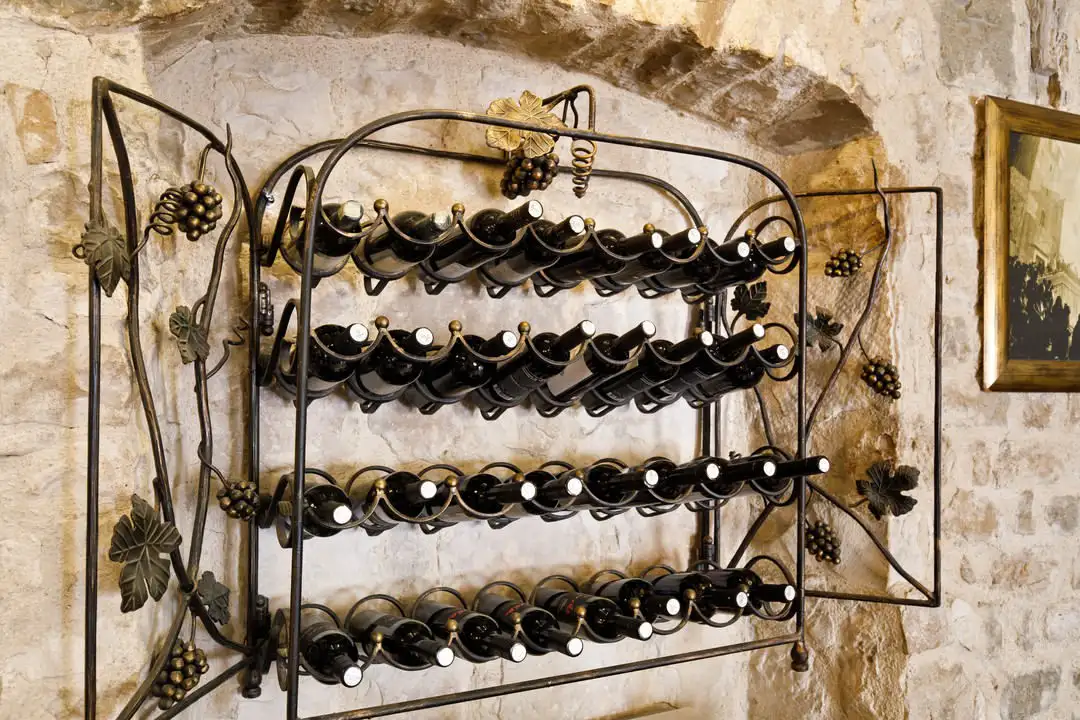
Wine
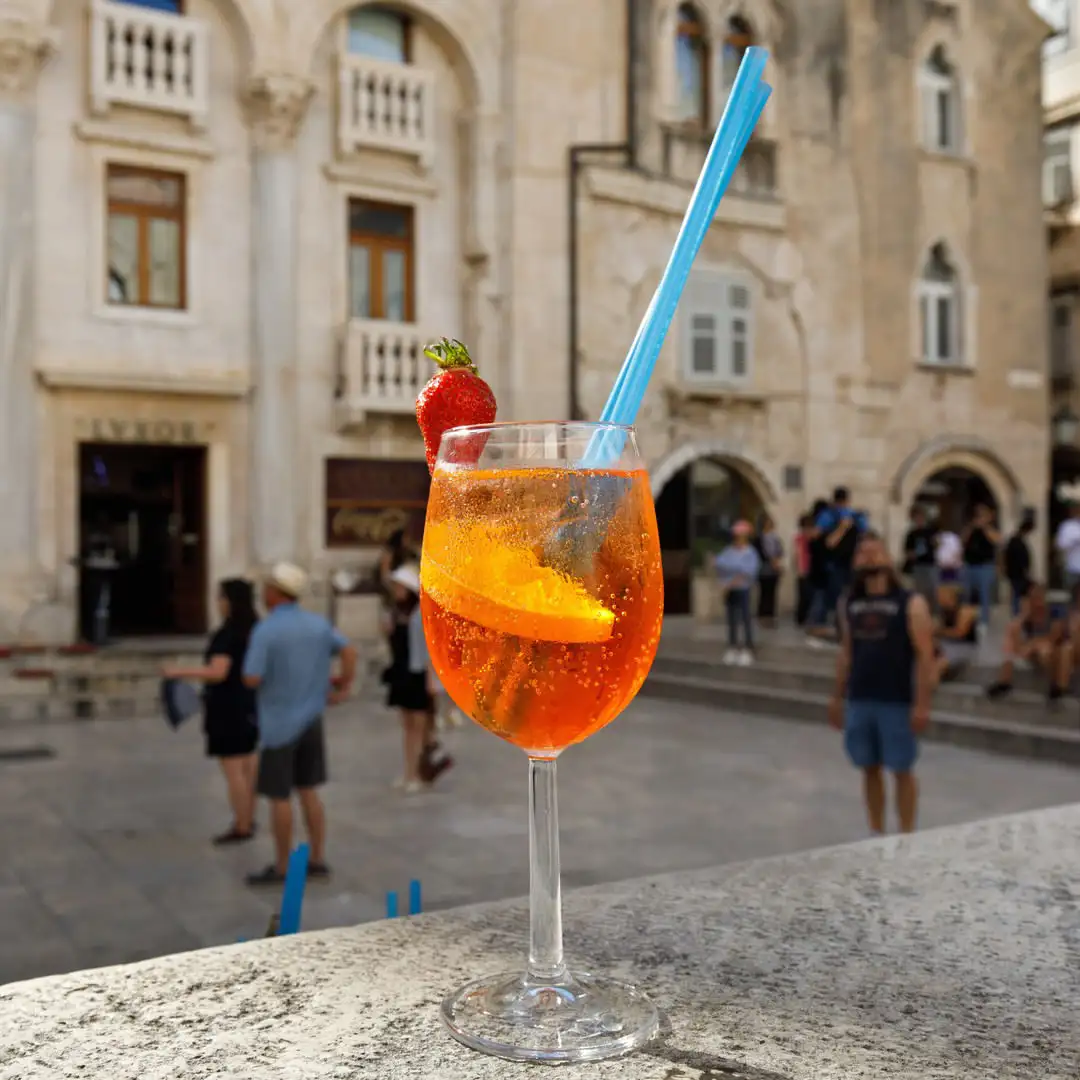
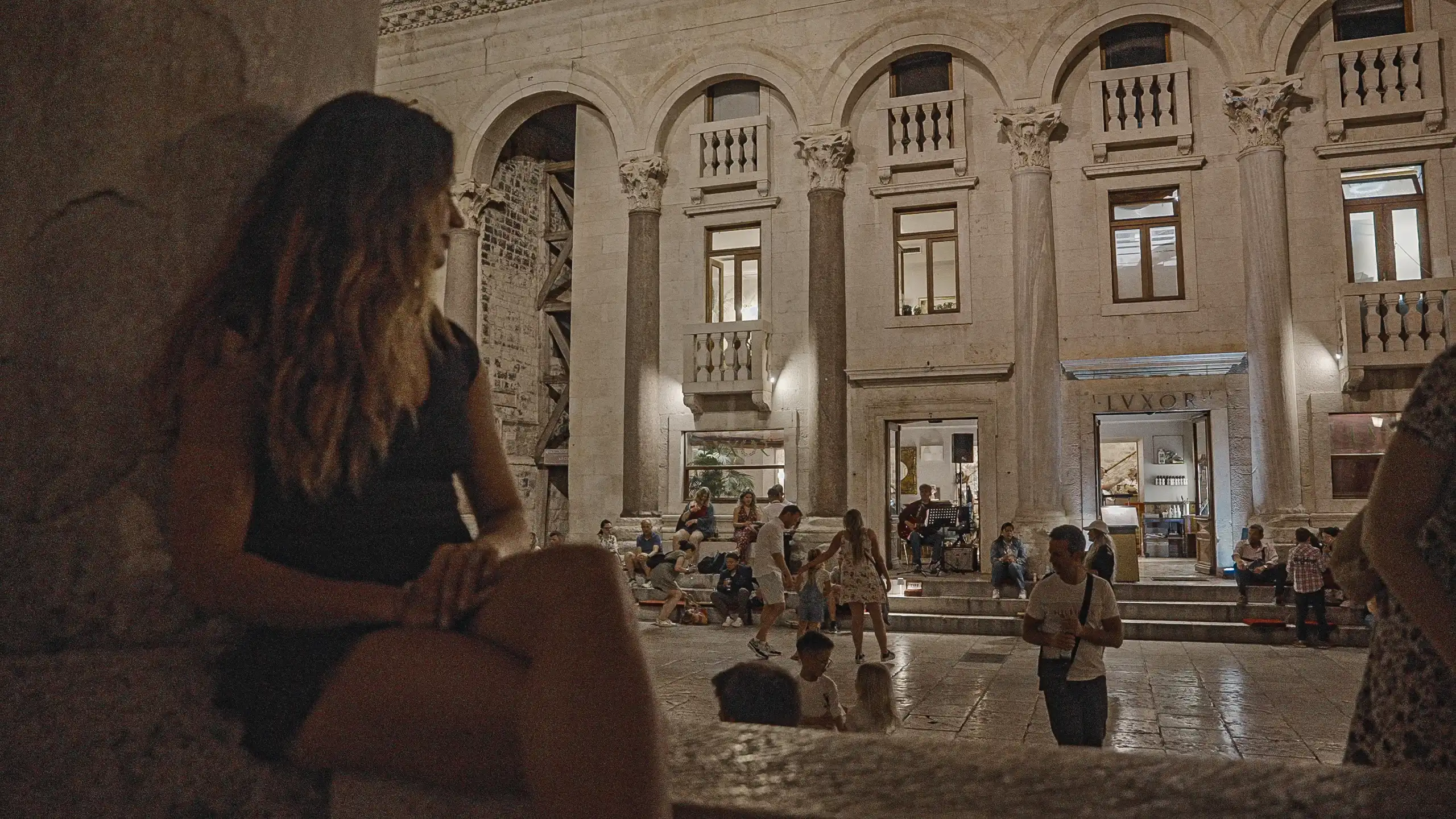
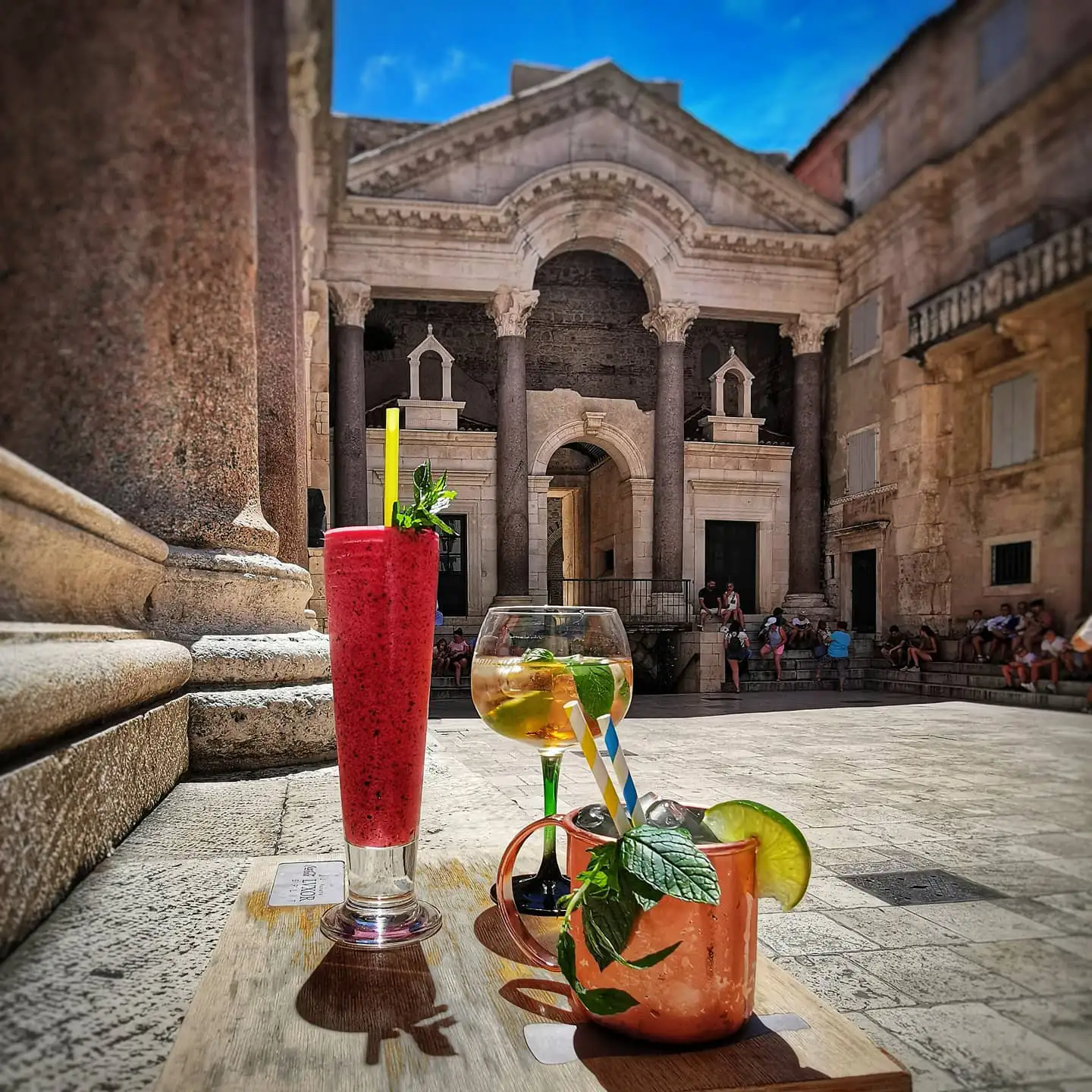
Peristil Square, Diocletian's Palace
A café and restaurant at the heart of ancient Split: where Roman history meets a contemporary dining experience.
Our Story
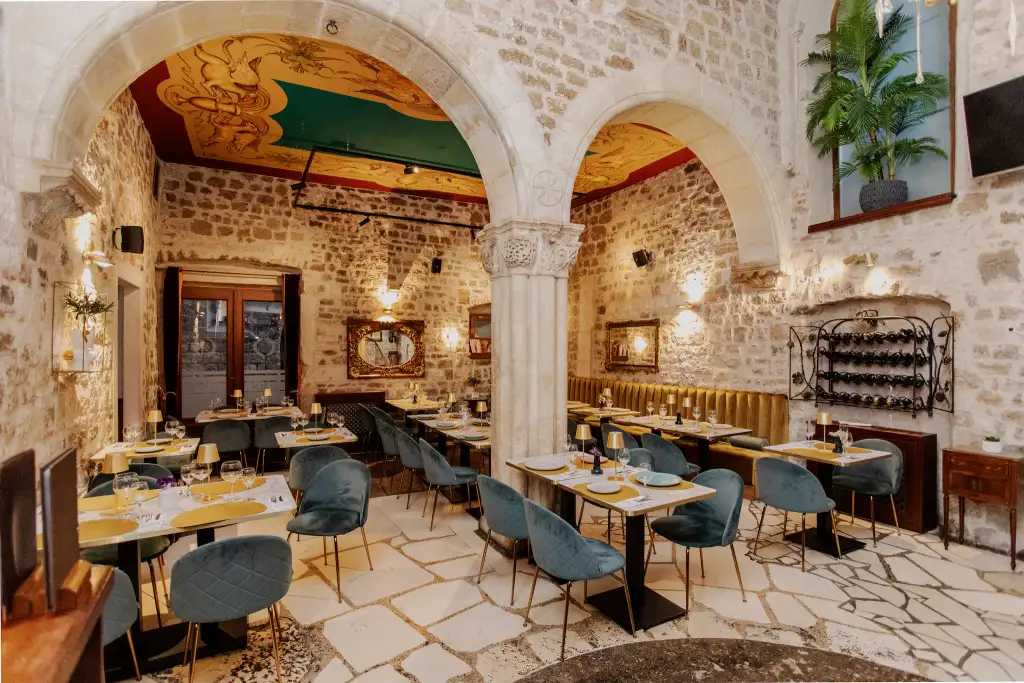
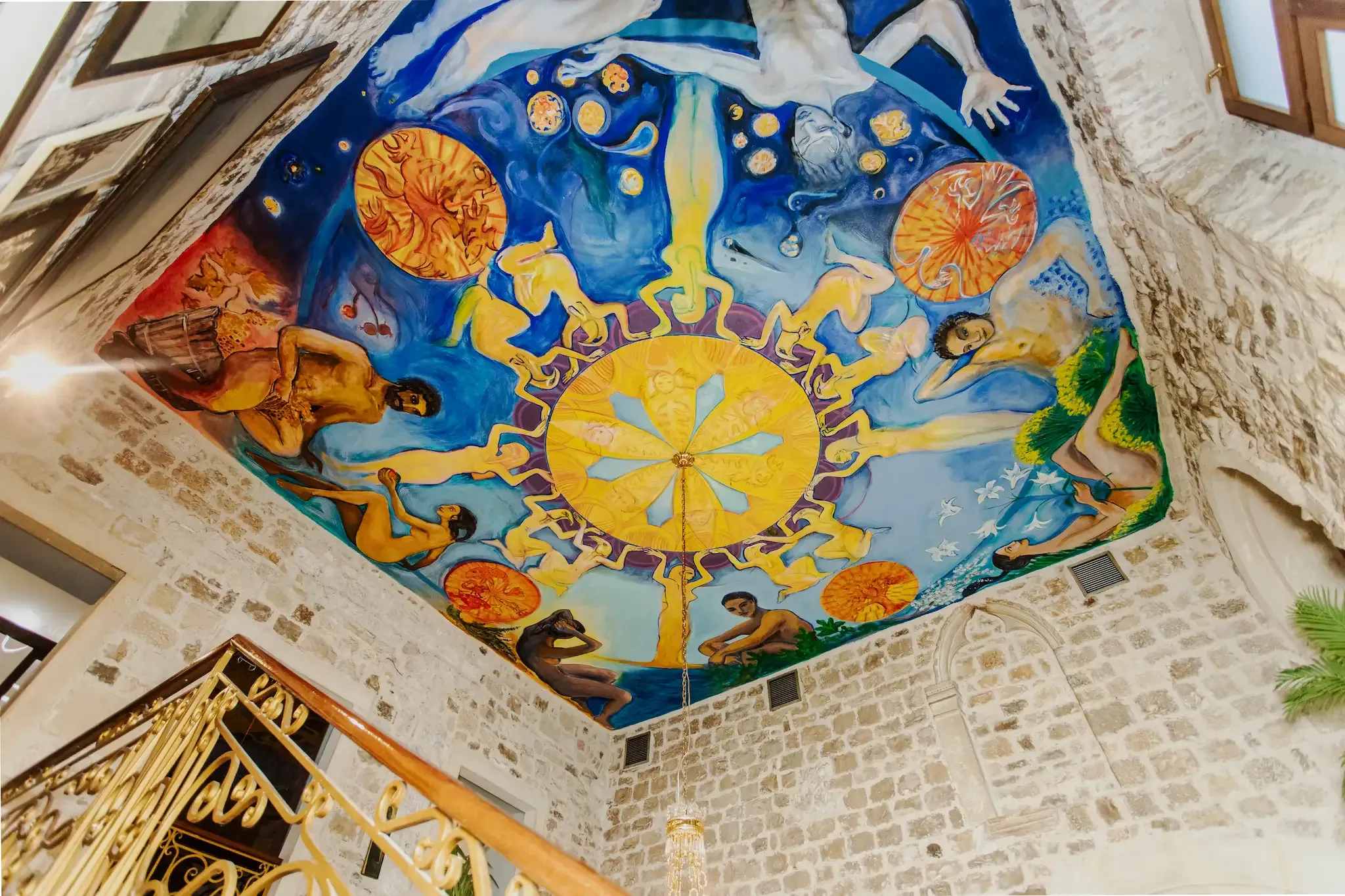
The name Lvxor comes from the Egyptian city of Luxor, from which sphinxes arrived on Peristil Square in 305 AD, by order of Emperor Diocletian. The space we now occupy preserves layers of history: an ancient temple dedicated to Venus, a Gothic column from the former city hall, the palace of the Grisogono and later Cipiko families, contributions from master sculptors Juraj Dalmatinac and Nikola Firentinac, 18th-century Baroque façade elements, a 1941 interior by architect Josip Kodl, and contemporary art by Petar Grimani.
Learn MoreFrom the menu
A few plates from the kitchen: the Dalmatian risottos, the pizza that carries the house name, and the breakfast that gets ordered most. The full menu runs from morning until half past eleven.
Layers of History
The space Lvxor occupies today was built up in layers across the centuries, from an ancient temple dedicated to Venus, through a Gothic column from the old city hall, to the palace of the Grisogono and Cipiko families. Great masters of the Dalmatian Renaissance, Juraj Dalmatinac and Nikola Firentinac, left their mark on its façade too.
Learn More.jpg&w=3840&q=75&dpl=dpl_AWpVNSZhwpgKPseVcRPFNjMNnxdw)