
%2520copy.webp&w=3840&q=75&dpl=dpl_AWpVNSZhwpgKPseVcRPFNjMNnxdw)
7 min read
Croatia makes wine on land that ought to refuse it. The coast from Zadar to Dubrovnik is limestone karst: thin red soil in the cracks, stone everywhere else, and a summer that goes months without rain. Vines are planted into that stone by hand, often on terraces held up by dry walls built by someone's great-grandfather, and the fruit that comes off them is small, dark and concentrated because it has had to work.
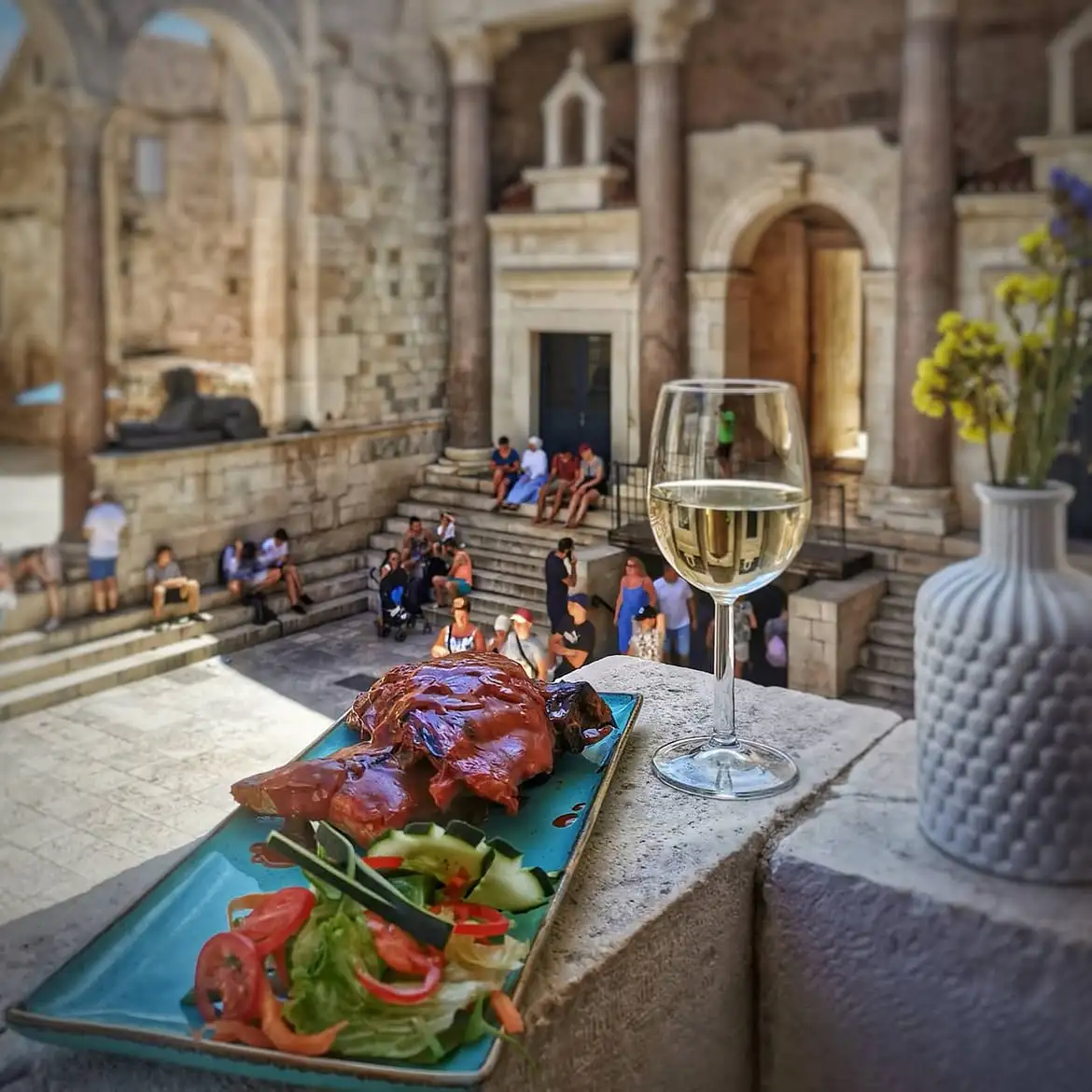
It also means the wine is local in a way that is hard to fake. A grape grown on Korčula tastes of Korčula; the same grape twenty kilometres inland tastes of somewhere else. What follows is the short version of that map, told through the bottles actually on the list at Lvxor, in a courtyard that has been standing since the year 305, long enough that some of these vineyards are younger than the building you would be drinking in.
Six places worth knowing
Croatian wine is not one thing, and the country's best bottles rarely leave it. These are the six corners of the map most worth your attention, in the order a first-time drinker is best served by them.
Korčula: Pošip
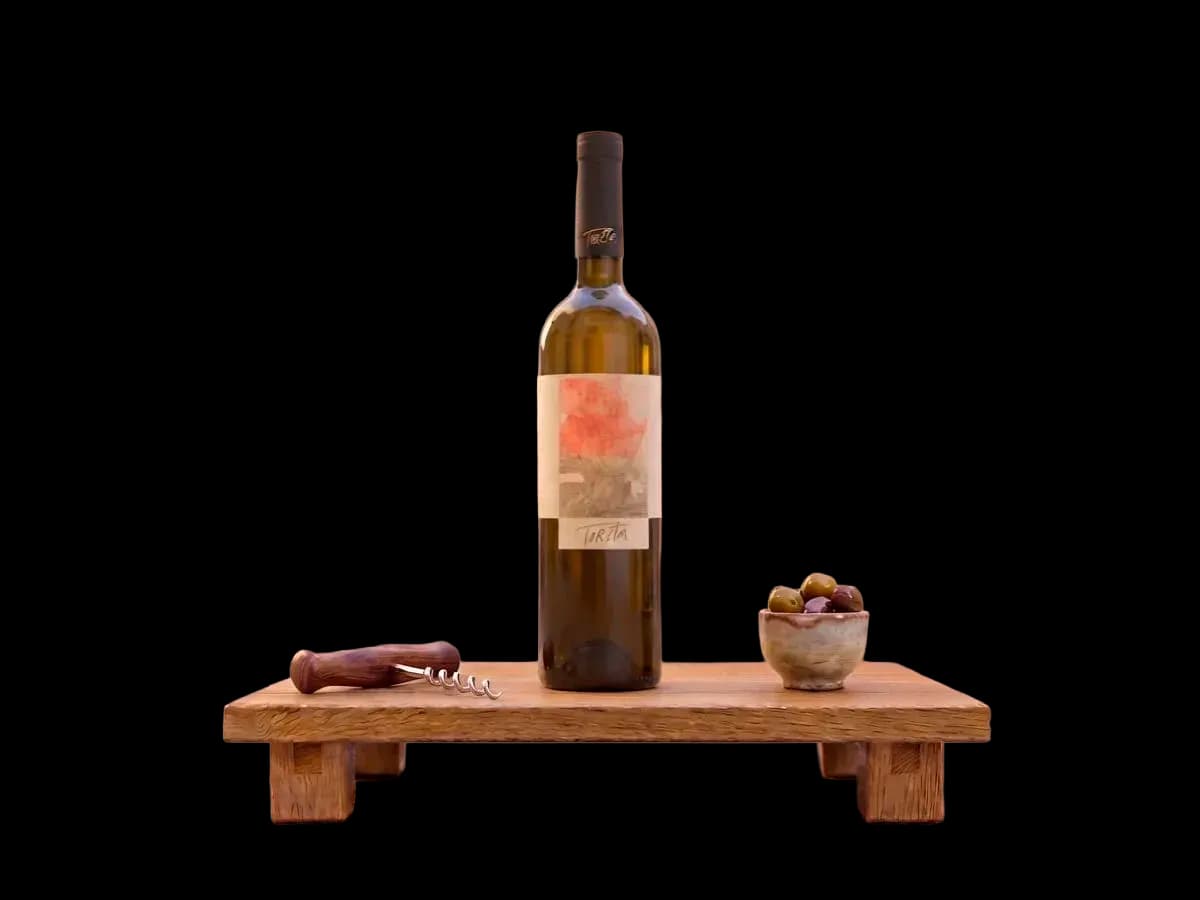
If you drink one Croatian white, drink Pošip. It is the island's own grape, grown mostly around the villages of Čara and Smokvica in the middle of Korčula, and it makes a white with real body to it: stone fruit, dried herbs, a saline finish that tells you how close the sea is. It is the bottle to have on the square in the late afternoon, while the stone is still giving back the day's heat.
- Pošip Toreta, Pošip from the island of Korčula.
- Pošip Rizman eco, Pošip from the island of Korčula, organically grown.
Pelješac and the south: Plavac Mali
Plavac Mali is the great red of the Croatian coast and a genetic parent-child relation of Zinfandel, which is the fact every sommelier will tell you within a minute of opening it. On the steepest south-facing slopes it ripens to something dense and warm: dark cherry, dried fig, carob, a grip of tannin. It wants food, and it wants a shaded table rather than a hot one.
- Primus Plavac Rizman eco, Plavac from the Pelješac peninsula, organically grown. 0.75 l bottle only.
Primošten: Babić
The vineyards above Primošten are the ones photographed from the air: a lacework of dry-stone walls holding a few centimetres of soil onto bare rock, every wall built by hand. Babić grown there is lean, peppery and firm rather than plush, a red with edges. It is the most Dalmatian thing you can put in a glass, and it goes with cured meat the way the two grew up together, because they did.
- Babić Testament, Babić from Primošten.
Skradin: Plavina
Skradin sits at the mouth of the Krka, an hour north of here, and it gives its name to two things on our menu at once. Plavina is the softer, lighter red of this stretch of coast: bright red fruit, low tannin, a wine to drink young and cool. It also happens to be the natural partner for Skradinski rižot, the veal risotto from the same town that we cook for hours; ordering both is less a pairing than a postcode.
- Plavina Ante Sladić, Plavina from Skradin.
Benkovac: the international grapes
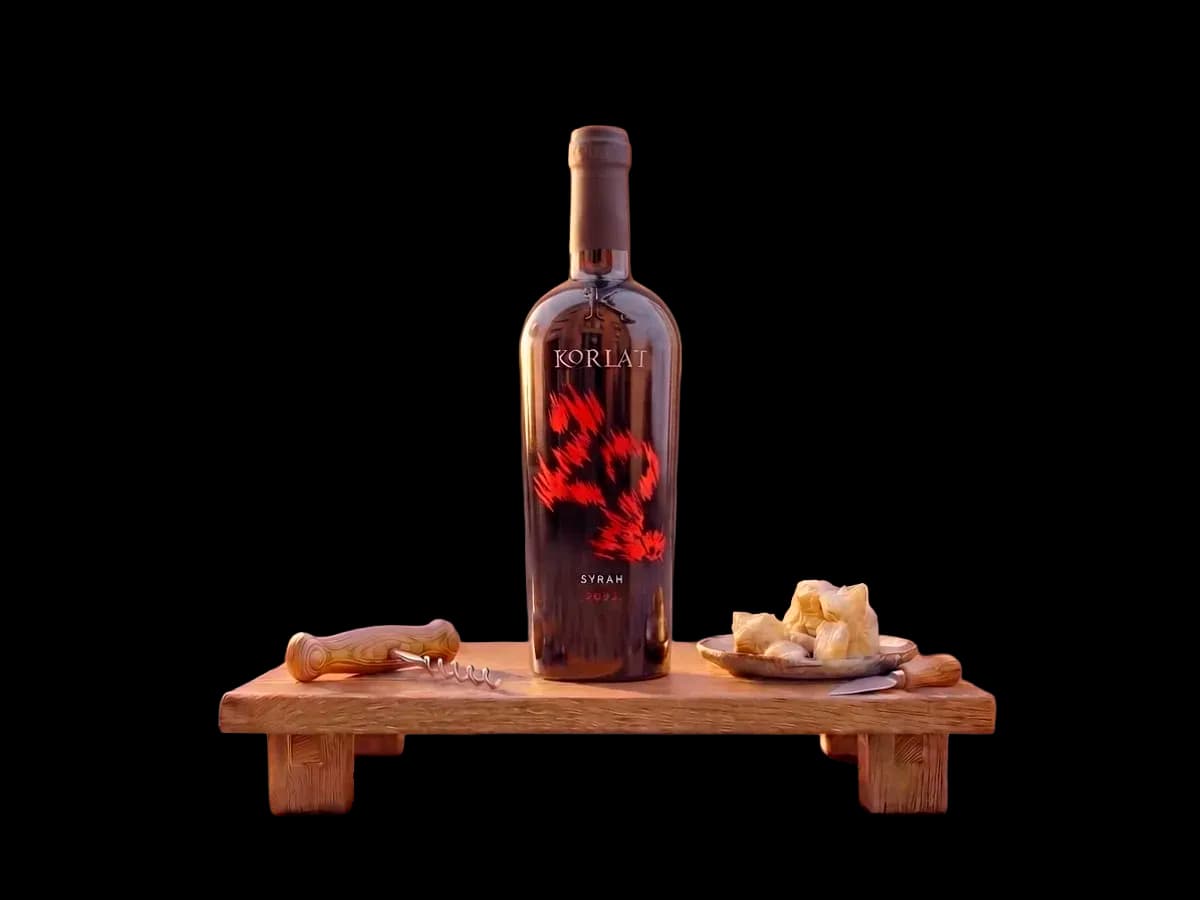
Inland from Zadar, on the red earth of Ravni Kotari, Syrah, Merlot and Cabernet Sauvignon are grown at a quality that surprises people who came looking only for indigenous varieties. There is more rain here than on the islands and the nights are cooler, which keeps acidity in the fruit. If you want to understand modern Croatian winemaking rather than its folklore, this is the corner to taste.
- Korlat Syrah, Syrah from Benkovac.
- Korlat Merlot, Merlot from Benkovac.
- Korlat Cabernet Sauvignon, Cabernet Sauvignon from Benkovac.
Zagora: Debit
The Dalmatian hinterland is the part visitors drive through without stopping, and Debit is its everyday white: quiet, dry, citrus and green apple, no oak, nothing shouting. It is not a wine that wants to be the centre of attention, which is exactly why it works through a long lunch. Chilled hard, it is the most underrated glass on the list.
- Debit Ško, Debit from the Dalmatian hinterland.
The two that are not Dalmatian
Two things on the list come from elsewhere on purpose. Malvazija from Istria is Croatia's other great white, softer and more floral than Pošip, from the peninsula in the north, and it is there because a wine list that only looks at its own coastline is a poorer one. The rosés, likewise, run from local bottles to Provence, because on a hot afternoon on Peristil that is genuinely what people want.
See the full wine list
Thirty bottles across white, rosé and red, with what each one is and where it comes from, in your language. Sparkling and champagne sit alongside them.
What to eat with it
The kitchen here is Dalmatian, so most of the pairing work is already done by geography. Pošip and the black risotto is the obvious one: the saline edge of the wine against the cuttlefish ink. Babić and the two-year prosciutto is the second. Plavina with Skradinski rižot is the third, and the least obvious, and the best.
For the truffle dishes, the mushroom pizza and the hand-rolled makaruni with beefsteak, a Korlat Merlot has enough weight without fighting them. And if you are eating outside on the steps rather than inside, keep to the whites and the rosés: the square holds its heat well past sunset, and a big red drunk warm is a waste of a good bottle.
How it is served
Everything on the list is available by the glass in two measures as well as by the bottle, which is the civilised way to read a wine list you don't know: start with a small pour of something local, then commit. A handful of bottles are sold by the bottle only: the organic Plavac, the Rioja, the Dom Pérignon. Ask, and someone will tell you what is drinking well that week.